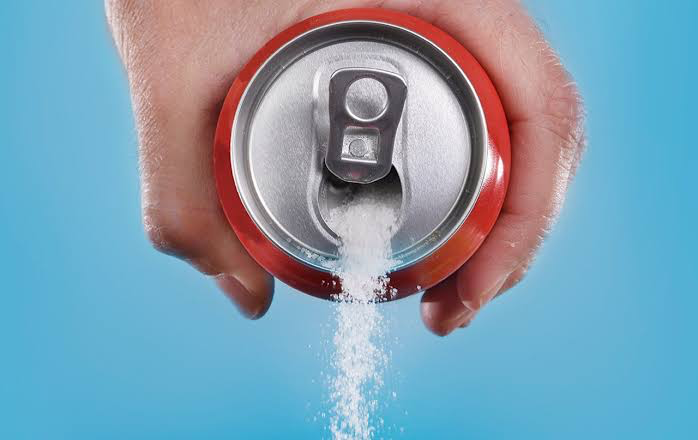
Why Sugary Mixers Ruin Your Drink Experience
There's a moment most of us know well: the morning after a social evening, where a curious heaviness lingers — not just grogginess, but something bloated, dulled, and off. We tend to blame the obvious. But often, the culprit isn't the drink itself. It's the mixer.
Sugary mixers — fruit punches, sodas, tonic waters, flavoured cordials — have quietly become a staple of social drinking. But the more you understand what they actually do to your body, the harder they are to ignore.
A Blood Sugar Spike Dressed as a Good Time
When you combine alcohol with a sugary mixer, your body receives two significant metabolic challenges at once. The sugar causes a rapid spike in blood glucose, triggering an insulin response. Then, as alcohol is metabolised, that spike crashes — leaving you more fatigued, more sluggish, and hungrier than you would have been otherwise. Research published by the American Heart Association confirms that drinking sugar-sweetened beverages raises the risk of cardiovascular disease and type 2 diabetes — and this holds even for people who exercise regularly. A Tufts University study estimates that sugar-sweetened beverages contribute to 2.2 million new cases of Type 2 diabetes globally every year.
The Gut Disruption Nobody Talks About
Beyond the blood sugar rollercoaster, sugary beverages have been strongly linked to appetite dysregulation. Because liquid calories don't trigger the same satiety signals as solid food, you can consume far more than your body actually needs — often without noticing. Research also shows that high-sugar drinks disrupt the balance of gut bacteria, contributing to bloating, inflammation, and that generalised discomfort the morning after a party.
It Doesn't Even Taste Better
Here's a perspective that often gets lost in all the health talk: sugary mixers don't actually make drinks taste better — they just make them taste sweeter. The sweetness masks the natural complexity of whatever you're drinking, dulls your palate over the course of an evening, and creates a cloying aftertaste that water alone struggles to wash away. That's why a good bartender often reaches for something light and clean.
The Moreish Problem
There's also a behavioural dimension. Sugary drinks have been shown to trigger reward pathways in the brain, stimulating dopamine and making the next sip — and the next glass — feel more necessary than it actually is. What starts as one drink can quietly become three, partly because of the sugar, not the alcohol.
The Alternative
The alternative isn't to go dry or drink plain water all night. It's to reach for something that gives you the refreshment and fizz of a good mixer, without the sugar load — something clean, balanced, and honest. That's precisely what Slake was designed to be: lightly sparkling, no added sugar, built for evenings (and mornings after) where you actually want to feel good.
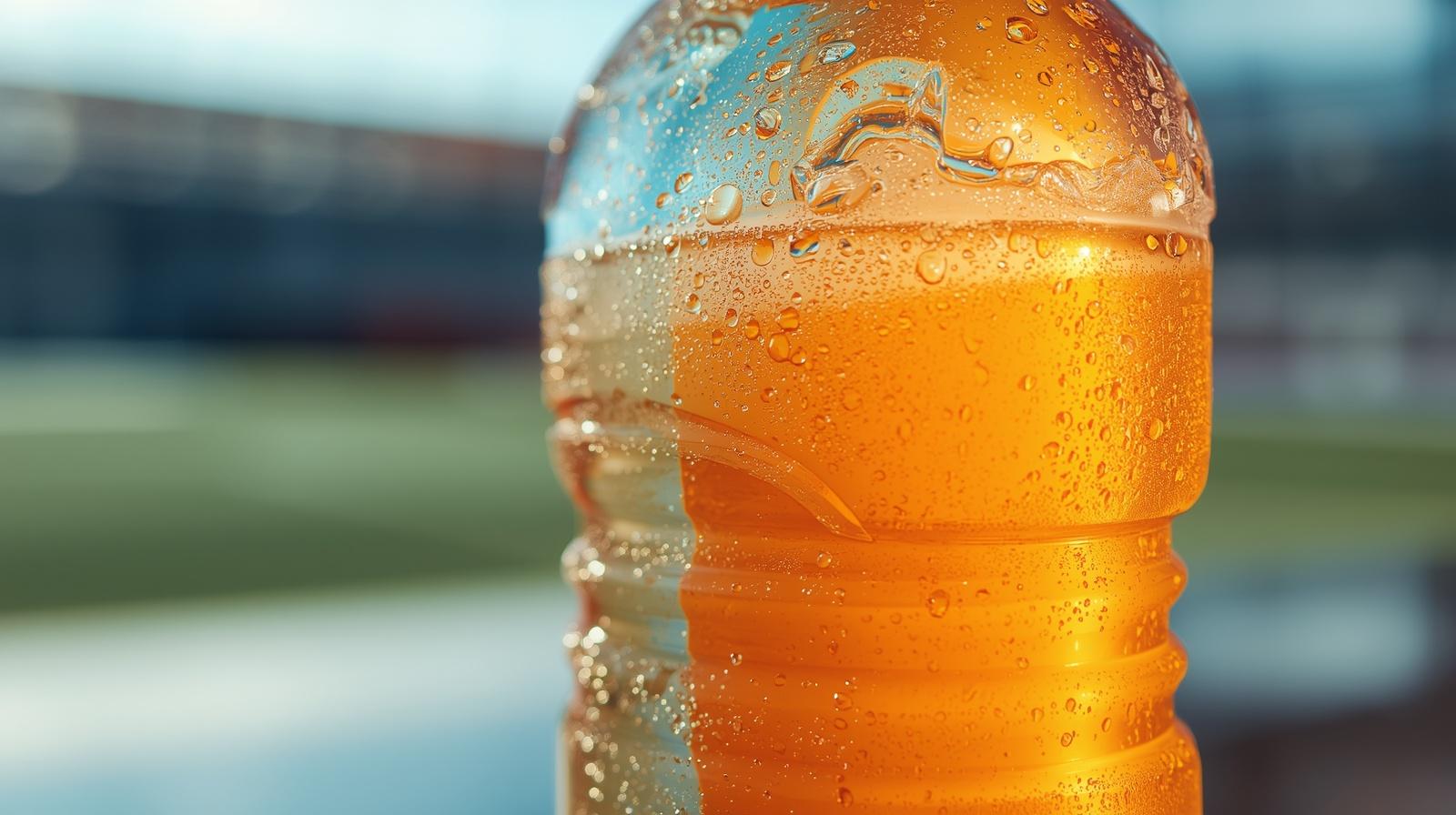
What Is a Hydration Drink?
The word "hydration" is everywhere right now — on gym shelves, influencer feeds, and trendy cans. But what does it actually mean for a drink to hydrate you?
Not all fluids hydrate equally. Coffee and alcohol can actually increase dehydration markers in the blood. And while plain water is the gold standard for most situations, the growing category of "hydration drinks" has introduced a more nuanced conversation about how the body absorbs and retains fluid.
Hydration Is More Than Just Water
At its core, hydration is about your body's ability to absorb fluid and maintain it within your cells. This process depends not just on the water you drink, but on the electrolytes present alongside it — minerals like sodium, potassium, magnesium, and calcium that regulate how fluid moves in and out of cells.
As sports medicine physicians at Northwestern Medicine explain, without the right electrolyte levels, drinking water alone may not adequately hydrate your body.
So What Makes Something a "Hydration Drink"?
A genuine hydration drink goes beyond plain water. It typically features no added sugar (or only minimal, functional carbohydrates), clean ingredients that don't create a metabolic burden as you drink them, and a composition that works for daily use — not just post-marathon recovery.
75% of Americans
Research shows that 75% of Americans don't drink enough water daily — a stat that underlines why the beverage you reach for matters as much as how much you drink.
Electrolyte Drinks vs Everyday Hydration
Sports drinks and electrolyte powders serve a specific purpose: replenishing minerals lost through intense, prolonged sweat. Most health authorities recommend them primarily for exercise lasting longer than 60–75 minutes, hot environments, or illness recovery.
For everything else — a day at the office, a social evening, a long flight — they're often overkill, and frequently loaded with sugars or artificial additives that outweigh their benefits. What most people need throughout the day is simpler: a drink that's easy to consume, gentle on the gut, free of unnecessary sweetness, and actually enjoyable to drink.
The Role of Carbonation
Research consistently shows that sparkling water hydrates just as effectively as still water. For many people, the light fizz also makes a drink more appealing — which matters, because the best hydration drink is ultimately the one you actually want to drink.
The Slake Approach
Slake was built around this idea: a drink designed for everyday moments. Lightly sparkling, no added sugar, with smart sweeteners carefully selected for a clean, natural taste.
Real hydration that fits your actual life — morning, noon, or night.
How to Choose a Clean Drink for Social Occasions
Choosing what to drink at a party, dinner, or work event is rarely just about thirst. There's the social dimension — what looks normal, what signals participation, what feels effortless to hold and sip. There's the physical dimension — how you'll feel an hour in, and how you'll feel tomorrow morning. And increasingly, there's the values dimension: more people are thinking about what they're actually putting into their bodies, even on a Friday night.
The good news is that these don't have to be in conflict. Choosing a clean drink for social occasions is easier than it's ever been — if you know what to look for.
1. Audit the Mixers First
If you're drinking alcohol, the mixer choice matters as much as the spirit. Standard tonic water often contains as much sugar as a full soda. Fruit juices add a sharp glycaemic spike. Flavoured sodas bring artificial colourings and preservatives. Before you reach for what's closest on the bar, pause to ask what's actually in it. A clean spirit with plain sparkling water or a quality lightly flavoured sparkling drink is almost always the better combination — and often tastes better too.
2. Rethink the "Non-Alcoholic = Healthy" Assumption
Choosing not to drink alcohol is a completely valid choice — but not all non-alcoholic options are automatically clean. Many mocktails, fruit punches, and sodas are loaded with sugar and artificial ingredients. The question to ask isn't just "does this have alcohol?" but "what's actually in this drink, and how will I feel after it?"
3. Look for These Green Flags on a Drinks List
- No added sugar (not just "low sugar")
- Natural flavours or fruit-derived taste
- Light carbonation with no artificial aftertaste
- Short, readable ingredient labels
- Drinks designed to be refreshing, not just sweet
4. The "How Will I Feel in the Morning" Test
It sounds obvious, but it's a genuinely useful filter. A clean drink should leave you feeling roughly the same after drinking it as before — perhaps more refreshed, certainly not worse. The sugary-mixer hangover isn't just about alcohol; it's about the blood sugar crash, the gut disruption, and the accumulated dehydration that often follows a night of sugary drinks. A Harvard study found that replacing just one daily sugary drink with a non-sugary alternative reduced the risk of early death by up to 18% in people with diabetes — a reminder that what you drink consistently adds up.
5. Don't Sacrifice the Social Experience
Perhaps the most important point: a clean drink should still feel like a real drink. It should look good in a glass, hold its own in social situations, and give you something interesting to sip. Clean shouldn't mean compromised — it should mean better.
The social drink of choice is shifting. People want something that feels present and refreshing without the aftermath — something clean before, during, and after. Slake was made specifically for these moments: lightly sparkling, no added sugar, in three distinct flavours — Neutral, Lemon, and Cranberry. A drink that earns its place at the table.